Functional Living: Designing and Remodeling with Accessibility in Mind May 11, 2026
When thinking about remodeling for accessibility, it's essential to begin with a clear understanding of the unique needs of the individuals who will use the space. Start by evaluating doorways and hallways. Widening doorways to at least 32 inches allows for easy wheelchair access, while ensuring hallways are spacious can provide comfortable maneuverability throughout the home. These initial changes can make a significant difference, especially for those using mobility aids.
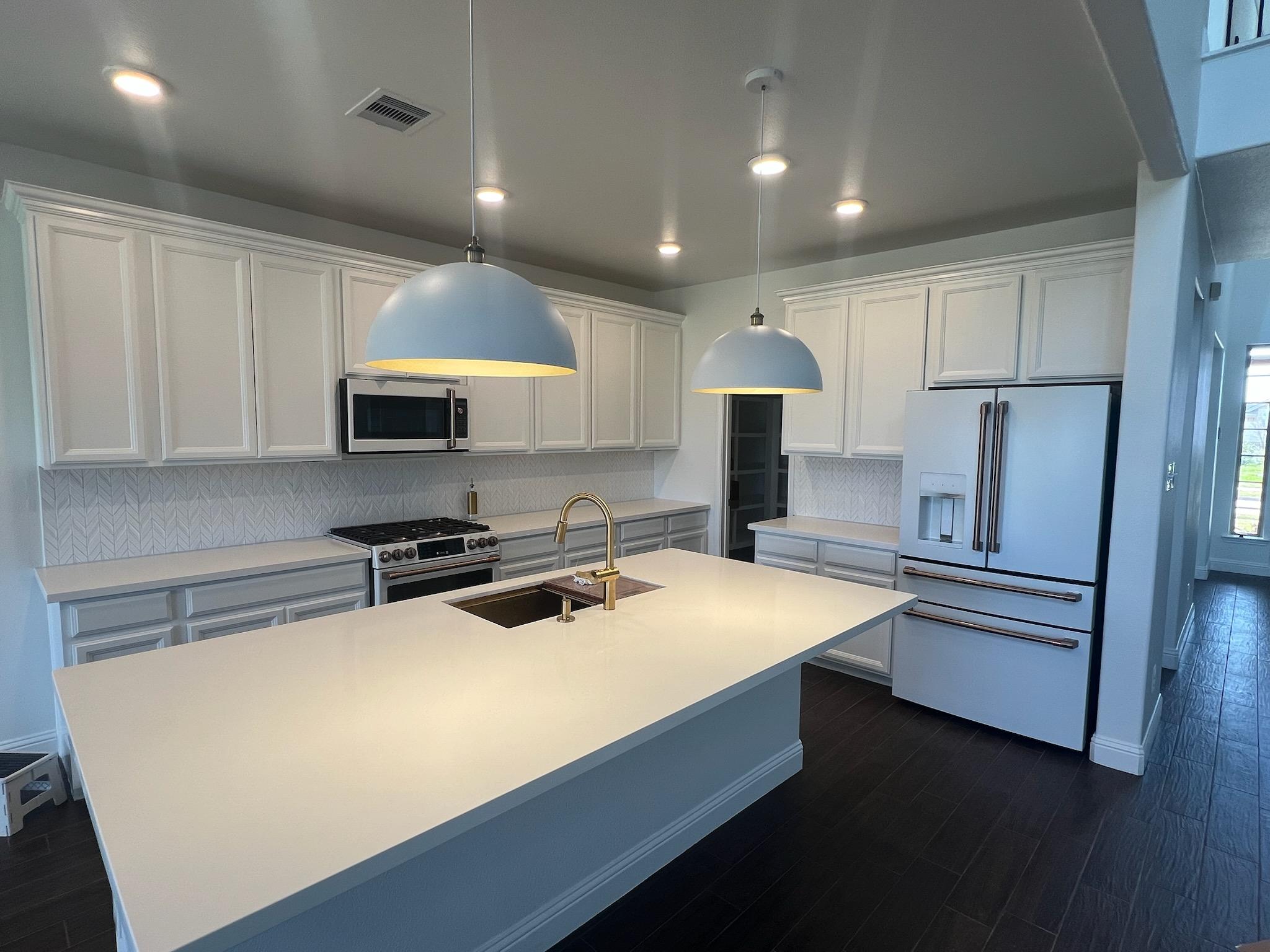
The kitchen and bathroom are key areas in any home that benefit immensely from accessibility-focused remodeling. Kitchens can be transformed by installing adjustable countertops and sinks, which accommodate individuals who sit or stand. Lever-style faucets, easy-to-reach cabinets, and pull-out shelves also contribute to making a kitchen more accessible. In the bathroom, consider installing grab bars near toilets and showers, curbless showers for easier entry, and lower countertops for improved accessibility.
Lighting plays a crucial role in home accessibility. Proper lighting makes tasks easier and enhances safety within the home. Consider installing motion sensor lighting in areas like hallways and bathrooms to prevent potential accidents. Additionally, utilizing contrasting colors on walls and floors can help visually impaired individuals to navigate spaces more effectively.
Flooring is another critical aspect to consider when designing with accessibility in mind. Choose slip-resistant materials and ensure smooth, level surfaces throughout the home to reduce the risk of trips and falls. Hardwood, tile, or low-pile carpeting can provide both functionality and aesthetic appeal.
Embracing smart home technology is an increasingly popular way to incorporate accessibility into modern design. Devices like voice-activated assistants, automated window treatments, and smart thermostats can greatly enhance independence and convenience for all residents. These technologies offer hands-free operation, which is particularly beneficial for individuals with limited mobility.
It's important to remember that accessibility doesn't mean compromising on style. At J's Remodeling, we believe that designing with accessibility in mind can be an opportunity to enhance the overall aesthetic of your home. Creative solutions and thoughtful design choices can lead to spaces that are both beautiful and functional.
Finally, communication is key when planning a remodel focused on accessibility. Engage with professionals who understand the specific requirements of accessibility design, and involve all users of the space in the planning process to ensure their needs are fully met. By prioritizing accessibility in your home design and remodeling projects, you create an inclusive environment that accommodates everyone.
In conclusion, designing with accessibility in mind not only future-proofs your home but also ensures that it remains a welcoming space for friends and family of all abilities. J's Remodeling embraces the concept of functional living, offering expert advice and craftsmanship to create homes that are as accessible as they are inviting. With thoughtful planning and innovative solutions, your remodeled space can become a testament to the harmony between style and function.
/filters:no_upscale()/filters:format(webp)/media/ca0ce548-ba2d-401b-a630-7148a36db921.jpeg)
/filters:no_upscale()/filters:format(webp)/media/d85f2e10-2d74-4a9c-bfb6-93b3c8e3cb3d.jpeg)